
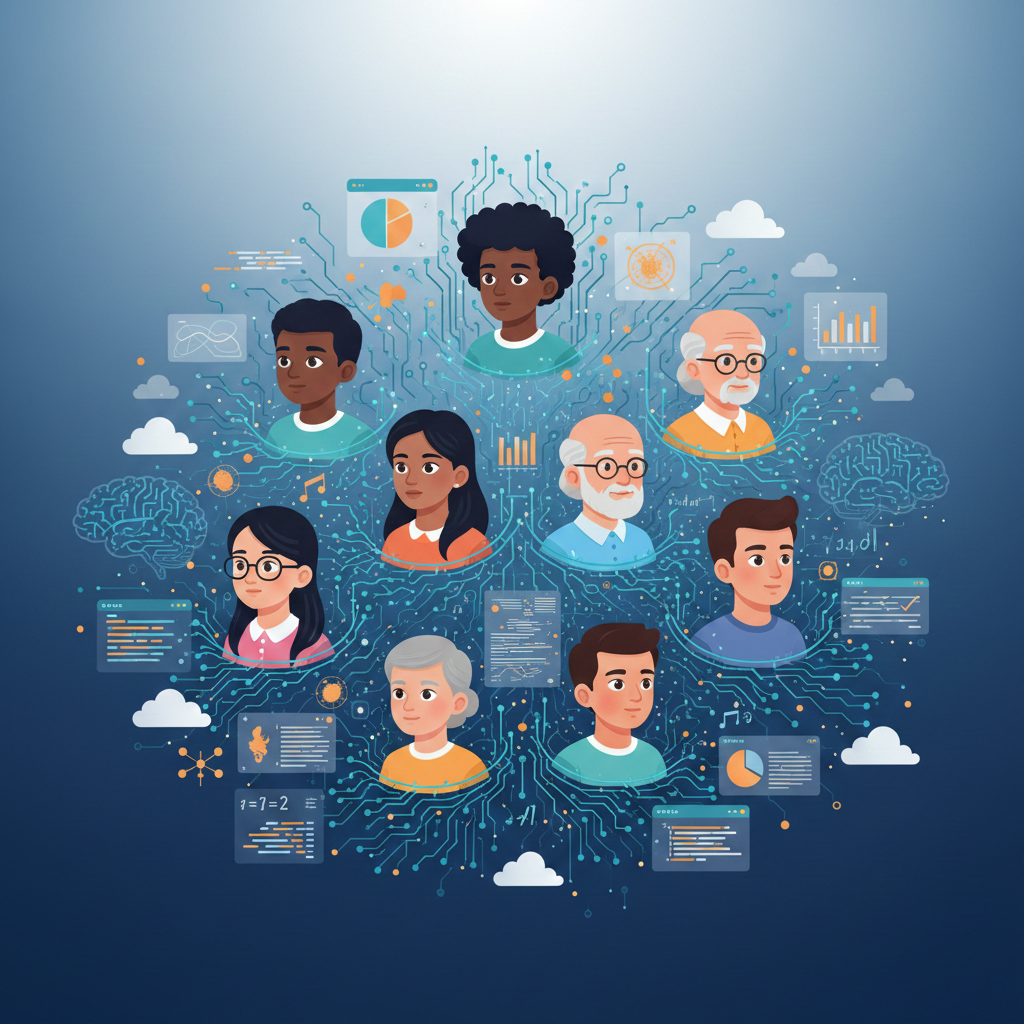
Here’s something that keeps educators up at night. Every student learns differently, yet most classrooms still operate like assembly lines. The same lesson, the same pace, the same expectations for thirty unique brains.
That’s changing. Fast. Neuroeducation and adaptive learning technologies are finally catching up with what great teachers have always known intuitively.
This isn’t just another tech trend. We’re talking about a fundamental shift in how personalized education actually works in practice.
In this guide, you’ll discover how brain science and artificial intelligence are merging to create learning experiences that adapt to each student. We’ll explore practical tools, real strategies, and the EdTech innovations making inclusive classrooms a reality.
Whether you’re an educator, parent, or administrator, understanding these changes isn’t optional anymore. It’s essential.
What Is Neuroeducation and Why Does It Matter Now?
Neuroeducation sits at the intersection of neuroscience, psychology, and education. Think of it as the science of understanding how brains actually learn, not how we assume they should.
For decades, educators relied on intuition and tradition. Some methods worked. Many didn’t. The problem? No one could explain why with scientific precision.
Educational neuroscience changed that equation entirely. Brain imaging technologies revealed something fascinating: learning physically changes neural pathways. Every student’s brain responds differently to the same instruction.
This matters because personalized education technology can now leverage these insights. When we understand cognitive development patterns, we can design instruction that works with the brain rather than against it.
- Memory consolidation happens during sleep, suggesting homework timing matters more than we thought
- Emotional states directly affect learning capacity, making classroom climate a neurological concern
- Spaced repetition strengthens neural connections far better than cramming sessions
- Multi-sensory input creates stronger memory traces than single-channel instruction
- Social interaction triggers neurochemical responses that enhance retention
The implications are profound. Traditional teaching often worked against these natural processes. Now we can align instruction with how brains actually function.
How Adaptive Learning Platforms Transform Student Outcomes
Here’s where things get interesting. Adaptive learning isn’t new. Good teachers have always adjusted their approach based on student responses. The difference now? Technology can do this at scale, in real time, with unprecedented precision.
Modern adaptive learning software analyzes thousands of data points as students interact with content. Response patterns, time-on-task, error types, help-seeking behavior. Each click tells a story about how that particular brain is processing information.
The Mechanics Behind Personalization
Most adaptive learning platforms use machine learning algorithms trained on millions of student interactions. When a learner struggles with a concept, the system doesn’t just repeat the same explanation. It tries a different approach entirely.
Maybe visual representations work better. Perhaps breaking the concept into smaller chunks helps. Some students need more practice problems while others benefit from real-world applications. The system learns what works for each individual.
| Traditional Approach | Adaptive Learning Approach |
|---|---|
| Same content sequence for all | Dynamically adjusted learning paths |
| Fixed pacing based on curriculum | Self-paced with mastery requirements |
| Standardized assessments | Continuous formative assessment |
| Teacher-centered delivery | Student-centered exploration |
| One-size-fits-all remediation | Targeted intervention based on gaps |
The results speak for themselves. Schools implementing these systems frequently report improved student engagement alongside better learning outcomes. Students who previously struggled often flourish when instruction finally matches their cognitive profile.
AI tutoring systems take this further. They provide individualized instruction that would require one-on-one human tutoring, now accessible to every student with an internet connection.
Building Inclusive Classrooms Through EdTech Innovation
Inclusion sounds great in theory. In practice, it’s exhausting. Teachers managing classrooms with diverse learning needs often feel overwhelmed. How do you differentiate instruction for students with varying abilities, learning differences, and background knowledge simultaneously?
This is where inclusive classroom technology becomes transformative rather than merely helpful.
Consider a student with dyslexia. Traditional text-heavy instruction creates barriers. But adaptive systems can automatically adjust reading levels, offer text-to-speech options, and present information through alternative modalities. The same content becomes accessible without singling anyone out.
Students with attention differences benefit from systems that recognize engagement patterns. When focus wanes, the technology might introduce interactive elements, shorter content segments, or gamified challenges. It’s differentiated instruction tools working invisibly.
Universal Design for Learning in Practice
The best EdTech solutions embed Universal Design for Learning principles from the start. Multiple means of engagement, representation, and expression become default rather than afterthought.
- Video content with captions and transcripts serves hearing-impaired students while benefiting visual learners
- Adjustable fonts, colors, and spacing support students with visual processing differences
- Alternative input methods accommodate physical disabilities and motor differences
- Flexible assessment formats let students demonstrate knowledge in their strongest modality
- Built-in scaffolding adjusts automatically based on demonstrated need
Special education resources integrated with mainstream platforms mean students receive support without stigma. Learning differences support becomes seamless, not separate.
Professional development workshops increasingly focus on leveraging these tools effectively. Educators who master this integration can serve diverse learners without burning out.
The Science of Personalization: Brain-Based Learning Strategies That Work
Let’s get practical. Understanding neuroeducation theory matters, but implementation determines outcomes. Which brain-based learning strategies actually translate into classroom success?
First, the research consistently supports retrieval practice. Testing isn’t just for assessment. The act of recalling information strengthens memory far more than re-reading or passive review. Smart learning management platforms build frequent low-stakes quizzing into their design.
Second, interleaving beats blocking. Instead of practicing one skill repeatedly before moving to the next, mixing different problem types produces better long-term retention. This feels harder initially, which is why students often resist it. Adaptive systems can manage this complexity automatically.
Third, productive struggle matters. Challenges just beyond current ability create optimal learning conditions. Too easy? Boredom. Too hard? Frustration. The zone of proximal development isn’t just theory. It’s measurable, and technology can target it precisely.
Educational assessment tools now identify exactly where each student sits in their learning progression. Teachers receive actionable data rather than vague hunches.
Implementing Hyper-Personalized Education: A Practical Roadmap
Knowing this stuff exists doesn’t help if you can’t implement it. Here’s a realistic approach for educators and administrators ready to move beyond one-size-fits-all instruction.
- Audit your current technology stack. What learning management systems and educational technology tools do you already have? Many existing platforms offer personalization features that go unused. Start there before buying new solutions.
- Identify your highest-impact needs. Which student populations are currently underserved? Where do the most students struggle? Targeting specific gaps produces better results than broad implementation attempts.
- Pilot with willing teachers. Technology adoption fails when forced universally. Find enthusiastic early adopters. Let them experiment, fail, learn, and eventually become internal champions.
- Invest in meaningful professional development. Tools without training produce expensive disappointment. Teacher certification programs and ongoing workshops ensure technology serves pedagogy rather than replacing it.
- Build feedback loops. Learning analytics should inform practice continuously. Are students progressing? Which interventions work? What needs adjustment? Data-driven iteration separates successful implementations from expensive experiments.
- Communicate with stakeholders. Parents need to understand why instruction looks different. Administrators need evidence of impact. Transparency builds support for sustained change.
- Plan for equity. Personalization can widen gaps if some students lack technology access. Address infrastructure and device availability before assuming universal implementation.
Curriculum development services specializing in neuroeducation can accelerate this process. They bring expertise that would take years to develop internally.
Student success programs built on these foundations show promising results across diverse contexts. The approach works whether you’re in well-resourced suburban schools or under-funded urban districts.
The Future of Personalized Education: Trends Shaping Tomorrow’s Classrooms
Where is this heading? Several trends suggest even more dramatic changes ahead.
Artificial intelligence continues advancing rapidly. Current adaptive learning platforms feel primitive compared to what’s coming. Imagine systems that recognize emotional states through facial expression analysis, adjusting not just content but pacing, tone, and encouragement in real time.
Online learning platforms now compete primarily on personalization capabilities. The pandemic accelerated this competition by years. Parents and students who experienced truly adaptive instruction won’t accept generic alternatives.
Neuroscience research keeps revealing new insights about cognitive learning technology applications. We understand more about memory, attention, and motivation than ever before. This knowledge will continue reshaping educational practice.
However, important cautions remain. Technology is a tool, not a solution. The most sophisticated adaptive system cannot replace caring human relationships. Tutoring services, whether AI-powered or human, work best as supplements to quality teaching rather than substitutes.
Privacy concerns deserve serious attention. Learning analytics require extensive data collection. Protecting student information while leveraging its potential requires thoughtful policy and transparent practices.
The teachers who thrive will be those who embrace technology as amplification of their expertise. Individualized instruction becomes possible when routine tasks are automated, freeing educators to focus on what humans do best: inspire, mentor, and connect.
Conclusion: Embracing the Hyper-Personalized Future
The one-size-fits-all era is ending. Not because of ideology or preference, but because science and technology have made better alternatives possible. Neuroeducation provides the why. Adaptive learning platforms provide the how. Together, they’re creating educational experiences that previous generations couldn’t imagine.
This transition won’t happen automatically. It requires investment, training, and willingness to change. But the potential is extraordinary: every student receiving instruction matched to their unique brain, learning style, and needs.
The question isn’t whether hyper-personalized education will become standard. It’s whether you’ll be among those leading the change or struggling to catch up.
Start small. Explore available tools. Invest in understanding how your students learn differently. The journey toward truly personalized education begins with recognizing that every brain in your classroom deserves instruction designed for it specifically.
Frequently Asked Questions About Neuroeducation and Personalized Learning
What is neuroeducation and how does it differ from traditional education approaches?
Neuroeducation applies neuroscience research to educational practice, moving beyond intuition-based teaching methods. Unlike traditional approaches that treat all students similarly, neuroeducation recognizes that each brain processes information differently. This scientific foundation enables evidence-based instructional strategies that align with how learning actually occurs at the neural level, improving outcomes across diverse student populations.
How do adaptive learning platforms actually personalize instruction?
Adaptive learning platforms use algorithms that analyze student responses in real time, tracking patterns like accuracy, response time, and help-seeking behavior. Based on this data, the system adjusts content difficulty, presentation format, and pacing for each individual learner. Some advanced platforms also consider learning style preferences and emotional engagement to optimize the learning experience continuously.
Can personalized education technology support students with learning differences?
Absolutely. Modern EdTech solutions excel at supporting diverse learners. Features like text-to-speech, adjustable reading levels, alternative assessment formats, and multi-modal content presentation make learning accessible without singling students out. Adaptive systems automatically provide additional scaffolding when needed, creating inclusive environments where all students can succeed alongside peers.
What should schools consider before implementing adaptive learning systems?
Schools should evaluate their existing technology infrastructure, identify specific learning challenges to address, and ensure equitable access for all students. Teacher training is essential since technology only works when educators understand how to leverage it effectively. Starting with pilot programs allows refinement before broader rollout. Budget considerations should include ongoing costs, not just initial purchase prices.
How does hyper-personalized education affect the role of teachers?
Rather than replacing teachers, personalized education technology transforms their role. Routine tasks like basic instruction delivery and progress monitoring become automated, freeing teachers to focus on mentoring, relationship building, and complex problem-solving support. Educators become learning designers and facilitators rather than content deliverers, potentially making teaching more rewarding and impactful.
What evidence supports the effectiveness of brain-based learning strategies?
Decades of cognitive science research support specific strategies like retrieval practice, spaced repetition, and interleaved practice. Neuroimaging studies demonstrate how these approaches strengthen neural pathways more effectively than passive review methods. Educational research consistently shows improved retention and transfer when instruction aligns with these brain-based principles, though implementation quality significantly affects outcomes.
Are there privacy concerns with learning analytics and adaptive systems?
Yes, legitimate concerns exist regarding student data collection and use. Effective personalization requires extensive behavioral data, raising questions about storage security, access limitations, and potential misuse. Schools should carefully review vendor privacy policies, ensure compliance with regulations like FERPA and COPPA, and maintain transparency with parents about what data is collected and how it’s protected.