Many people think that if you’re not in the city, your options for getting credit are pretty limited. But it doesn’t have to be that way. There are actually quite a few ways to access credit South Africa, even if you’re far from the main centres. This guide is here to break down some of those options and give you a better idea of what’s out there.
Key Takeaways
- Understanding your specific needs is key before looking for credit; a one-size-fits-all approach doesn’t work for everyone in rural South Africa.
- Government departments like the Department of Small Business Development and the Department of Agriculture offer various programmes and incentives that can help rural entrepreneurs and farmers.
- Development Finance Institutions, such as the DBSA and IDT, can provide funding for infrastructure and community projects, which are important for rural growth.
- Cooperatives and associations can be a good way for farmers and small businesses to pool resources, gain market access, and improve their chances of getting credit.
- Improving financial literacy is vital so people can use credit responsibly and avoid falling into debt, making sure financial inclusion actually helps them.
Understanding Your Credit Needs in Rural South Africa
When you’re living and working in rural South Africa, figuring out what kind of credit you actually need can feel a bit like trying to find a specific tool in a big shed – you know it’s there somewhere, but it’s not always obvious. It’s not just about getting any loan; it’s about getting the right loan for what you’re trying to achieve. Think about it: are you looking to buy some new equipment for your farm, maybe expand your small business, or perhaps cover unexpected household costs? Each of these situations calls for a different type of financial support. It’s really important to match the credit product to your specific goal.
Bridging the Gap: Financial Inclusion for Rural Communities
Lots of people in rural areas still find it tough to get the financial services that folks in cities take for granted. This gap, often called financial exclusion, means fewer opportunities for growth and stability. The aim is to make sure everyone, no matter where they live, can access and use financial services that genuinely help them. It’s about more than just having a bank account; it’s about having access to credit, insurance, and other tools that can make a real difference to daily life and future plans. We’ve seen some progress, but there’s still a way to go to make sure these services are truly available and useful for everyone.
Beyond Access: Making Financial Services Work for You
Just having access to financial services isn’t the whole story, is it? It’s what you do with them that counts. In South Africa, we’ve got a situation where sometimes people can get credit quite easily, but this can lead to problems like getting into too much debt. The real win is when financial services help people improve their lives, not make things harder. This means looking at how people actually use these services and making sure the products available fit their real needs and circumstances. It’s about using financial tools wisely to build assets and manage money, rather than just borrowing to get by.
The idea that simply providing access to financial services will automatically lead to better outcomes is a bit of a myth. We need to focus on how these services are actually used and ensure they are tailored to the specific needs of individuals and communities, especially those in rural areas who might face unique challenges.
Tailoring Solutions to Local Realities
South Africa is a country with big differences between its urban centres and its rural areas. What works for someone in Johannesburg might not work at all for a farmer in the Eastern Cape. The real challenges for financial inclusion are often found in the less developed parts of the country, where people are focused on daily survival and might not have the same level of financial knowledge or access to technology. This is why it’s so important to create financial products and services that are designed with these local realities in mind. It’s about understanding the specific context and developing solutions that genuinely fit, rather than trying to apply a one-size-fits-all approach. This might involve working with local groups and learning from what works and what doesn’t, so we can all get better at this. For example, understanding how people manage their money can be informed by surveys like the FinScope Consumer South Africa 2022 survey.
Navigating Government Support for Rural Enterprises
When you’re running a business in a rural part of South Africa, knowing where to get support from the government can make a big difference. It’s not always easy to find out what’s available, but there are definitely programmes designed to help small and rural enterprises get off the ground or expand. Think of it as a helping hand from the state to boost local economies.
Department of Small Business Development Initiatives
The Department of Small Business Development (DSBD) is a good place to start. They have a few programmes that might be just what you need. For instance, the Township and Rural Enterprises Programme (TREP) is specifically aimed at businesses in these areas. They also offer things like the Business Viability Programme, which helps make sure your business idea is sound, and the Co-operative Development Support Programme (CDSP) if you’re looking to work with others.
Exploring Trade and Competition Incentives
Then there’s the Department of Trade, Industry and Competition (the dtic). They have various financial incentives available for businesses. It’s worth checking out their website to see what might fit your venture, especially if you’re thinking about exporting or bringing new ideas to market. They’re all about making South African businesses more competitive.
Agricultural Support Programmes Explained
If your business is in farming, the Department of Agriculture has several schemes. You might have heard of the Blended Finance Scheme, which aims to help development farmers become more commercial. There’s also the Comprehensive Agricultural Support Programme (CASP) and others like the AgriBEE Equity Fund. These are designed to give a boost to the agricultural sector, which is so important in rural areas. The Land Bank also offers finance across the agricultural sector, and they have specific programmes like the Blended Finance Scheme to help commercialise development farmers. You can find their contact details for various branches on their website, like the one in Bethlehem for example.
It’s a good idea to get your business plan sorted and understand your finances before you approach these government bodies. Having clear records and a solid strategy will make your application much stronger.
Exploring Development Finance Institutions
When you’re looking for funding for your rural enterprise in South Africa, it’s worth checking out the various development finance institutions (DFIs). These organisations often provide support that commercial banks might not, especially for projects with a developmental focus. They can be a real lifeline for businesses trying to get off the ground or expand.
The Role of the Development Bank of Southern Africa
The Development Bank of Southern Africa (DBSA) is a big player here. They focus on funding infrastructure projects, so if your business involves building or improving infrastructure – think roads, water systems, or energy – they might be the place to go. It’s a good idea to see what kind of projects they’ve supported before to get a feel for their priorities. You can find more details on their website.
Independent Development Trust Projects
The Independent Development Trust (IDT) works a bit differently. They tend to support government-led developmental projects, often focusing on what they call the ‘second economy’. While they might not directly fund individual businesses in the same way as some other institutions, their work can create opportunities and improve the environment for businesses to operate in. Keep an eye on their projects to see where development is happening.
Industrial Development Opportunities
Then there’s the Industrial Development Corporation (IDC). They offer finance for a range of sectors, including agriculture and agro-processing, which is pretty relevant for many rural areas. To apply, you’ll usually need to show you have some assets or savings already. They’re a significant source of funding for industrial growth, so it’s definitely worth exploring what they have available. You can check out their website for specific programmes and requirements. It’s also worth noting that many government departments have initiatives aimed at economic growth, so looking into the Department of Small Business Development and the Department of Trade, Industry and Competition can also be beneficial. For those in agriculture, the Department of Agriculture has several programmes too, like the Blended Finance Scheme.
Remember, these institutions often have specific criteria and application processes. Doing your homework and preparing a solid business plan is key.
Here’s a quick look at some key institutions:
| Institution | Primary Focus |
|---|---|
| Development Bank of Southern Africa (DBSA) | Infrastructure development |
| Independent Development Trust (IDT) | Government developmental projects |
| Industrial Development Corporation (IDC) | Various sectors, including agriculture & agro-processing |
It’s also useful to know about organisations like the Export Credit Insurance Corporation of South Africa (ECIC), which helps with export credit and foreign investment risks. If you’re looking to export your products, they could be a valuable resource. You can find out more about them at www.ecic.co.za.
Leveraging Export and Investment Opportunities
Thinking about taking your rural South African business international or attracting some outside cash? It’s definitely a big step, but it can really pay off. When you’re looking to export, the Export Credit Insurance Corporation of South Africa (ECIC) is a good place to start. They help manage the risks involved when you’re selling your goods or services abroad, offering insurance cover on behalf of the government. It’s all about making those international deals a bit less scary.
Export Credit Insurance Corporation Support
So, what does the ECIC actually do? Basically, they look at the risks associated with exporting and foreign investment. If you’re selling to a new market, there’s always a chance you might not get paid, or political situations could mess things up. The ECIC provides insurance to cover these kinds of problems. This means you can feel more confident about taking on those overseas orders. It’s a bit like having a safety net when you’re stepping out into the global marketplace. You can find out more about their services at www.ecic.co.za.
Understanding Foreign Investment Risks
When you’re thinking about bringing in investors from outside, whether they’re from overseas or even from other parts of South Africa, it’s important to know what you’re getting into. Investors want to see a return on their money, and they’ll be looking closely at your business plan, your market, and how you manage your finances. For rural businesses, this might mean explaining your local context really well. You’ll need to show them the potential, but also be honest about any challenges. Think about things like market access, competition, and even the infrastructure you rely on. It’s about building trust and showing them that investing in your venture is a smart move. Sometimes, understanding these risks can be helped by looking at how other businesses have succeeded, perhaps by exploring opportunities like those found in various scholarships.
It’s not just about getting the money; it’s about finding the right kind of investment that fits your business and your community’s needs. This means doing your homework on potential investors and making sure your goals align.
Small-Scale Farming and Financial Access
Overcoming Farming Challenges with Financial Tools
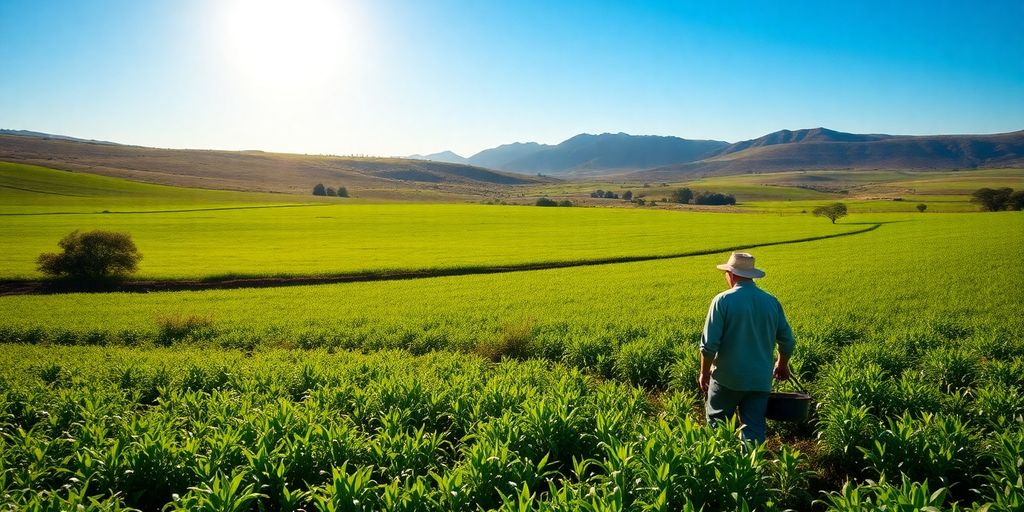
Farming in rural South Africa can be tough, right? You’re dealing with unpredictable weather, soil that might need a bit of a boost, and getting your produce to market can be a whole mission. But here’s the thing: having the right financial tools can make a massive difference. Think about keeping good records – it sounds boring, but knowing exactly what you’re spending and earning is key. This helps you see where your money is going and where you might be able to save or invest more. It’s also about understanding what kind of support is out there, like government grants or small loans specifically for farmers. Getting your hands on these can help you buy better seeds, fix that old tractor, or even try out new farming methods. Don’t underestimate the power of a solid plan; it makes asking for money much easier. It’s all about making your farm more productive and, let’s be honest, more profitable.
Diversifying Income Streams for Farmers
Relying on just one crop can be risky. If that crop has a bad year, your whole income takes a hit. That’s why spreading your eggs into different baskets, or diversifying, is such a smart move for small-scale farmers. This could mean growing a few different types of vegetables, raising some chickens for eggs, or even starting a small processing business for your produce, like making jams or dried fruit. It gives you more ways to earn money throughout the year. Plus, some of these side ventures might not need as much upfront cash as expanding your main crop. It’s about building a more stable financial future for your farm and your family. You might even find opportunities to get scholarships for agricultural courses to learn new skills.
Securing Offtake Agreements
Getting your produce sold is just as important as growing it. An ‘offtake agreement’ is basically a deal where a buyer agrees to purchase your produce before you even harvest it. This is brilliant because it gives you a guaranteed buyer and often a set price. Supermarkets, local restaurants, or even larger agricultural companies might be interested. To get these agreements, you need to be reliable, meet quality standards, and be able to supply consistently. Building good relationships with potential buyers is a big part of it. Sometimes, joining a farmers’ cooperative can help you negotiate these deals as a group, giving you more bargaining power. It’s a way to take some of the uncertainty out of selling your hard work.
The Power of Cooperatives and Associations
Sometimes, going it alone just doesn’t cut it, especially when you’re trying to get a business off the ground or make your farm more profitable in rural South Africa. That’s where cooperatives and associations come in. Think of them as a group effort, pooling resources and knowledge to achieve things that would be tough for any one person to manage.
Joining Local Agricultural Groups
Getting involved with local farming groups can be a real game-changer. These groups often have members who’ve been farming for years and know the local conditions inside out. They can share tips on everything from the best seeds to plant for the season to how to deal with pests specific to your area. Plus, being part of a group can give you more clout when you’re trying to buy supplies in bulk – you might get better prices than if you were buying just for yourself. It’s also a great way to learn about new farming techniques or technologies that could boost your yields.
Benefits of Cooperative Development
Co-ops are all about shared ownership and benefits. When you join or help start one, you’re essentially becoming part of a collective business. This can mean better access to credit because the co-op as a whole might be seen as a more stable borrower than an individual. They can also help you access markets you might not be able to reach on your own, perhaps by aggregating produce from several members to meet larger orders. The power of collective bargaining is immense. It’s not just about money, though; co-ops can also provide training and support, helping members improve their skills and business practices. It’s a way to build a stronger, more resilient community economy, one where everyone benefits from shared success.
Alternative Funding Avenues: Crowdfunding
Crowdfunding might sound a bit fancy, but it’s basically a way for lots of people to chip in small amounts of money to help a project or business get off the ground. Think of it as a modern twist on community fundraising. For folks in rural South Africa, this can be a real game-changer, especially when traditional loans are hard to come by. It’s all about tapping into a wider network, often online, to get the cash you need. The key is to have a clear idea and a compelling story to tell.
Addressing Connectivity and Trust Issues
Let’s be real, getting online and building trust can be a hurdle in rural areas. Not everyone has reliable internet, and people might be hesitant to send money to strangers online. To tackle this, projects often need to focus on building local connections first. Think community meetings, local events, or even using trusted local leaders to spread the word. For online campaigns, clear communication about how the money will be used, regular updates, and maybe even a physical presence or local representative can make a big difference. It’s about showing people you’re legitimate and that their contribution matters. Building that trust is just as important as the funding itself. You can find platforms that help with this, like M-Changa, which is quite popular in Africa.
Improving Financial Literacy for Investment
For crowdfunding to really work, people need to understand how it functions and what they’re getting into. This means getting clued up on different types of crowdfunding – like rewards-based (where you get a product or service), donation-based (purely for good causes), or even equity-based (where you get a share in the business). Knowing the basics helps people decide if it’s the right fit for them, either as a backer or a project creator. Educational workshops, simple guides, and sharing success stories can really help boost understanding. It’s about making sure everyone feels confident when they decide to invest their hard-earned cash. Learning about different financial products is a good start.
Navigating Regulatory Frameworks
Like most things involving money, there are rules and regulations to keep in mind. These can vary, so it’s important to know what applies to your specific crowdfunding campaign. This might involve registering your project, understanding tax implications, or adhering to platform rules. While it might seem like a hassle, following the guidelines helps protect both the project creators and the backers. It ensures everything is above board and builds confidence in the whole process. Understanding these frameworks is vital for successful fundraising. It’s always a good idea to check with local authorities or seek advice if you’re unsure about any of the legal bits.
Financial Literacy and Responsible Credit Use
It’s easy to get excited about accessing credit, especially when you’re in a rural area where options might seem limited. But before you jump in, it’s super important to get your head around your finances. Think of it like this: you wouldn’t start a long journey without checking your car, right? Same idea with money. Making sure you know what you’re getting into with loans and credit is key to not ending up in a pickle later on.
Avoiding Over-Indebtedness
One of the biggest traps people fall into is taking on more debt than they can handle. This is especially true in South Africa, where getting credit can sometimes feel a bit too easy. If you’re not careful, you can quickly find yourself owing more than you earn, which is a really stressful place to be. It’s not just about getting the loan; it’s about being able to pay it back comfortably, with enough left over for life’s other bits and bobs.
Understanding Financial Products
Financial products, like loans or savings accounts, can seem complicated. They often come with jargon and terms that aren’t always clear. Take the time to really read the fine print. What’s the interest rate? Are there any hidden fees? How long is the repayment period? Knowing these details helps you pick the right product for your situation. For instance, understanding how different credit cards work can help you choose one that suits your spending habits, like the Scotiabank Scene Visa Card.
Building Financial Resilience
This is all about creating a safety net for yourself. It means having a bit of savings for emergencies, like a broken-down tractor or unexpected medical bills. It also means not putting all your eggs in one basket when it comes to income. If you’re a farmer, maybe you can grow a couple of different crops or even sell some crafts on the side. The more resilient your finances are, the better you can handle life’s ups and downs without needing to rely solely on credit.
Financial inclusion isn’t just about having access to services; it’s about using them in a way that genuinely improves your life. If it leads to more debt and stress, then it’s not really working as it should.
The Importance of Demand-Side Surveys
You know, when we talk about getting credit in rural areas, it’s easy to just think about what banks or government schemes are offering. But what about what people actually need and want? That’s where demand-side surveys come in. They’re basically like asking the people in these communities directly about their financial lives. It’s not just about whether they have a bank account, but how they use money, what their challenges are, and what kind of financial help would actually make a difference for them. Think of it as getting the real story, not just guessing.
Insights from FinScope Consumer Surveys
Surveys like the FinScope Consumer Survey are pretty important here. They go out and talk to loads of people across different areas, including rural ones. They ask about things like income, savings, how people borrow money, and what financial products they use, or don’t use. This gives us a much clearer picture than just looking at official numbers. For example, a survey might show that while people need loans, they’re actually more worried about the paperwork or the travel distance to a bank branch. This kind of detail is gold for anyone trying to improve financial access. You can see how these surveys have been used in places like Zimbabwe and Ghana to figure out better ways to help people get the financial services they need. It’s all about understanding the behaviour and needs on the ground.
Understanding Financial Needs and Behaviour
So, what do these surveys actually tell us? Well, they can reveal some surprising things. Maybe people in a certain village prefer to save in kind, like with livestock, rather than putting money in a bank. Or perhaps they rely heavily on informal lenders because they don’t trust formal institutions, or they don’t know how to access them. These surveys help map out these different approaches. They can also highlight gaps, like a lack of affordable insurance for smallholder farmers or specific types of loans that would help rural businesses grow. Getting this information helps tailor solutions that actually fit, rather than just pushing generic products. It’s about making sure financial services work for the people who need them, not the other way around.
Guiding Targeted Financial Inclusion Strategies
Ultimately, the whole point of these surveys is to make financial inclusion efforts more effective. If you know that a particular community struggles with digital literacy, you won’t waste resources trying to push mobile banking apps without providing training first. If you know that most rural households rely on seasonal farming income, you can design loan products with flexible repayment schedules that match those cycles. It’s about being smart with resources and making sure that the help provided actually reaches and benefits the people it’s intended for. It’s a way to make sure that efforts to improve financial access aren’t just shots in the dark, but are based on real evidence from the people themselves. This kind of data is what helps organisations like FinMark Trust make financial markets work for the poor.
Community Digitalisation and Financial Services
It feels like everywhere you look these days, there’s talk about digital payments and how they’re changing things. And it’s true, especially in South Africa’s townships and rural areas. We’re seeing a real shift away from cash, which can be a bit of a hassle to carry around and isn’t always the safest. Digital options, like mobile money or simple payment apps, are making it easier for people to send and receive money, pay for goods, and even access basic financial services. This is a big deal for financial inclusion, opening doors for folks who might have been left out before.
Digital Payments in South African Townships
Think about it: instead of queuing at a post office or a bank, you can sort out payments right from your phone. This is particularly helpful for things like receiving government grants. Many people rely on these grants, and getting them digitally means less risk of theft and more control over your money. It’s not just about convenience, though. It’s about building a more reliable financial life. We’re seeing more and more small businesses in townships accepting digital payments, which helps them track sales and manage their money better. It’s a step towards a more formal economy for many.
Recommendations for Digital Financial Ecosystems
To really make this work for everyone, we need to think about a few things. First off, access to affordable mobile phones and data is key. If people can’t afford to get online, they can’t use these digital services. We also need to make sure these systems are easy to understand and use, even for those who aren’t super tech-savvy. Building trust is another big one; people need to feel confident that their money is safe. Finally, we need to keep improving financial literacy so everyone knows how to make the most of these tools without getting into trouble. It’s about creating a whole system that supports people, not just offering a new app. For more on how financial inclusion is measured and improved, you can look at insights from surveys like FinScope Consumer Surveys.
The move towards digital finance in rural and township areas isn’t just about new technology; it’s about creating practical, accessible ways for people to manage their money better and participate more fully in the economy. It requires a thoughtful approach that considers the real-world challenges people face.
Family Remittances as a Financial Resource
It’s easy to think about credit in terms of loans from banks or government schemes, but sometimes the most accessible financial resources are closer to home. For many families in rural South Africa, and indeed across the SADC region, money sent home by relatives working elsewhere is a really important lifeline. These remittances can make a big difference, helping cover daily expenses, school fees, or even providing a bit of capital to start a small business.
Remittances for Livelihoods in SADC
Across Southern Africa, family support networks are incredibly strong. When people move to find work, whether it’s to cities or even to other countries, they often send money back to their families. This isn’t just about survival; it’s about enabling livelihoods and supporting community development. For instance, these funds can be used for:
- Basic needs: Food, clothing, and shelter.
- Education: School fees, uniforms, and supplies.
- Healthcare: Medical expenses and treatments.
- Small business investment: Buying stock, tools, or equipment.
Understanding how these flows work and how they can be accessed more efficiently is key to boosting financial inclusion. Research into remittance corridors, like the one between South Africa and Eswatini, helps identify ways to make sending and receiving money cheaper and faster. This can mean more money stays within the family and community. You can find out more about these corridors and the work being done to improve them here.
Accessing Financial Resources for Growth
While remittances are often used for immediate needs, they can also be a springboard for growth. If you’re receiving regular remittances, it might be possible to use this steady income as a basis for accessing other financial products, like small business loans or savings accounts. Building a relationship with a local financial institution and demonstrating a reliable income stream, even if it’s from remittances, can open doors. It’s about showing that you have a plan for how these funds will be used, not just for consumption, but for building something more sustainable. This can be a really effective way to turn family support into long-term financial stability and even business expansion.
So, What’s Next?
Right then, we’ve gone through quite a bit about getting credit in rural South Africa. It’s not always straightforward, is it? We’ve seen there are options out there, from government schemes to specific development banks, but it’s not just about having access. It’s about making sure these services actually help people, rather than landing them in more debt. The key really is understanding what folks in these areas actually need and tailoring things accordingly. It’s a bit of a balancing act, but with the right approach and by sharing what works (and what doesn’t!), we can hopefully make things a bit easier for everyone.
Frequently Asked Questions
What exactly is financial inclusion for rural communities?
Financial inclusion means making sure everyone, especially those in rural areas, can use money services like bank accounts, loans, and insurance. It’s about bridging the gap so more people can manage their finances better and improve their lives.
Does just having access to financial services automatically make people’s lives better?
While getting access to money services is important, it’s not enough on its own. People need to use these services wisely. If not, it can lead to problems like owing too much money. The key is to make sure the services really help people and aren’t just available.
Are there government programmes to help rural businesses and farmers get financial help?
Yes, the government offers several programmes to help small businesses and farmers. These include support from the Department of Small Business Development, incentives from the Department of Trade, Industry and Competition, and various agricultural support schemes.
What role do development finance institutions play in providing credit?
Development finance institutions like the Development Bank of Southern Africa (DBSA) and the Industrial Development Corporation can provide funding for projects, especially those related to infrastructure or industrial growth. The Independent Development Trust also supports development projects.
What are common difficulties faced by small-scale farmers, and how can they get financial help to overcome them?
Small-scale farmers often face challenges like not having enough resources, difficulty selling their produce, and dealing with changing weather. To overcome these, they can try growing different crops, renting equipment, making deals with shops to buy their produce, and joining farming groups.
How can joining farming cooperatives or associations help with accessing credit?
Cooperatives and associations can be very helpful. By joining local farming groups, farmers can share resources, gain knowledge, and have a stronger voice when dealing with buyers or seeking financial support. It’s about working together.
What are the main challenges when trying to use crowdfunding in rural South Africa?
Crowdfunding involves raising small amounts of money from many people, often online. However, in rural areas, issues like poor internet access, lack of trust in online dealings, and not enough knowledge about investing can make it tricky. Improving these areas is key.
Why is it important to be good with money and use credit wisely?
It’s crucial to learn about money and use credit responsibly. This means understanding different financial products, avoiding borrowing more than you can repay, and building up savings to handle unexpected events. Being financially savvy helps you stay out of debt.